Aapka hisab, naya kitab
Every rupee has a place.
Tools built for kirana and shop owners. How each one works on a busy counter — and what it puts back in your pocket.
Chapter 01·Parchi to GST. Print or share.
Sales & Billing
Every sale can leave with a bill: a simple parchi, or a GST invoice if they need GST. Raise it at the counter in seconds. Print it on a Bluetooth printer, or share it on WhatsApp. Then collect with a UPI QR for that exact amount — they scan and pay what you billed. They cannot edit the rupees or try to send less.
On the counter
Parchi or GST bill
Make a simple parchi for everyday sales, or a GST bill when the customer needs one. Both from the same sale — no second register.
Print on Bluetooth, or share digitally
The thermal printer is already paired. One tap and the parchi comes out. No printer, or they have already left? Send the bill on WhatsApp so it sits in their chat, not in a crumpled slip.
Share an exact-amount UPI QR
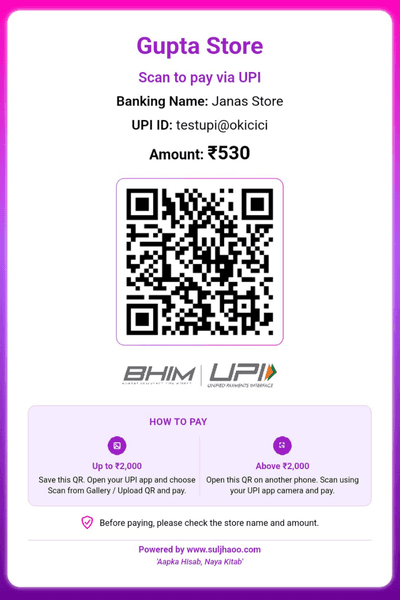
Create a QR for the bill — ₹530 stays ₹530. Show it at the counter or send it with the bill. They cannot change the amount or say "bhaiya, I sent 500, baaki kal."
What you gain
The bill the customer asked for
Parchi for daily walk-ins, GST when they need it. You look like a proper shop, not a notebook.
Paper or phone, their choice
Print at the counter on Bluetooth, or share digitally. The sale does not wait for a printer jam or a missing slip.
Customers cannot pay less
The UPI QR carries the exact bill. They cannot edit the amount or send a short payment and walk out.
Chapter 02·A clear ledger grows the dukaan
Customers & Suppliers
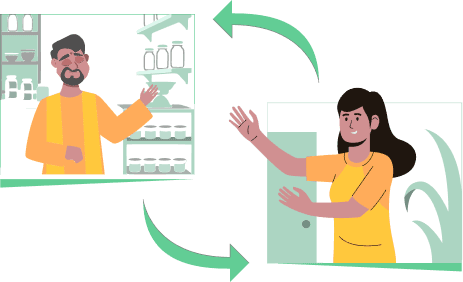
Dues used to live in a diary, a WhatsApp chat, and your memory. Customers & Suppliers puts every udhar, every payment, and every supplier balance in one place you can open while the person is still standing there. When the hisab is transparent — the same number on your side and theirs — customers trust you with more udhar, suppliers send maal on credit, and regulars keep coming because there is no fight at the counter. Clarity is how a local shop grows.
On the counter
Sunita takes today's kirana on udhar
Add the sale to her name in seconds. Next time she asks "kitna baki hai?" you show the running balance — no argument, no forgotten slip. A clear book is why she keeps coming back.
Patel asks what you still owe
Supplier purchases and payments sit on one ledger. You both see the same outstanding. That transparency is why he keeps sending maal without chasing you.
A polite reminder, not a fight
Share the udhar summary on WhatsApp. The number is in writing, so collection is a reminder — not a debate. Trust stays, and so does the customer.
What you gain
Money you actually collect
Dues stop slipping through memory. You see who owes what, and when they last paid.
Trust that grows the shop
A shared, clear ledger with customers and suppliers means more udhar you can stand behind, better credit from the supplier, and regulars who do not leave after an argument.
No more "maine toh de diya tha"
The same number on both sides ends the fight. Relationships stay intact because the hisab is transparent.
Chapter 03·Purchase is maal. Expense is the dukaan.
Expense Tracking
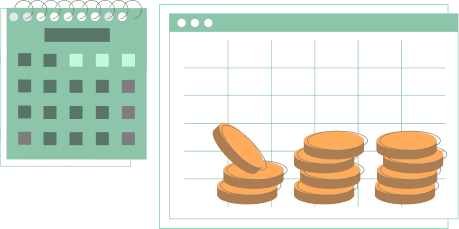
In a local kirana, the same galla pays for everything — so purchase and expense get mixed, and ghar ka kharcha hides inside the shop. A purchase is maal you will sell: oil, atta, biscuits from the supplier. An expense is money that runs the dukaan but never sits on the shelf: rent, current bill, packing, helper, auto to the mandi. Then there is your private spend — school fees, ghar ka ration, a family recharge — which is not the shop's profit or loss. Track both, separately, every day, until it is as natural as locking the shutter.
On the counter
Purchase is not an expense
When Patel's load arrives, that is a purchase — stock you will sell. Logging it as an expense makes the shop look poorer than it is. Expense is the rest: rent, bijli, packing tape, chai for the counter, the helper's wage.
Shop money and ghar money
Taking ₹2,000 from the galla for school fees or ghar ka masala is your private expense, not the dukaan's. If it stays mixed, you cannot tell whether the shop is earning or the house is eating the shop.
Make it a daily habit
Log as it happens — current bill in the morning, auto to the mandi at noon, packing at night. A week of "kuch toh gaya" at month-end is not hisab. The dukaan becomes clear only when this is as routine as the evening galla.
What you gain
You see the real dukaan
Maal in, shop costs out, ghar kharcha aside. Sales stop looking like profit, and you know what the business actually kept.
No more mixed hisab
Purchase stays with stock. Business expense stays with the shop. Private spend stays yours. Arguments with yourself at month-end get smaller.
A habit that runs the shop
Daily logging is how a neighborhood retailer becomes the owner of the numbers — not someone hoping the drawer is enough.
Chapter 04·Maal in, orders out
Purchase & Home Delivery
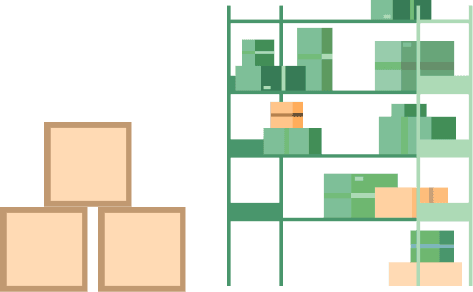
The shop does not only sell at the counter. You buy from suppliers and send orders to the gali. Purchase & Home Delivery keeps both sides in the book — what is coming in, and what is going out the door.
On the counter
Confirm the supplier's load
Record the purchase when the maal arrives. Quantity, amount, and what you still owe stay attached to that supplier.
A regular wants it at home
Take the order, mark it for delivery, and track it so the helper does not leave a bag at the wrong house.
Keep the customer in the loop
Share order status on WhatsApp. They stop calling every twenty minutes to ask "bheja kya?"
What you gain
Purchases that match the shelf
What you bought is in the book, so stock and supplier balances stay honest.
Deliveries you can stand behind
Home orders have a status. Fewer missed bags, fewer "aapne nahi bheja" calls.
Less phone chaos
Customers get an update. You get the counter back instead of repeating the same answer.

Chapter 05·The shelf tells the truth
Stock & Inventory
Empty atta or leftover stock that never moves — both cost you. Stock & Inventory shows what is on the shelf, what is running low, and what you should reorder before the next rush.
On the counter
The helper shouts that daal is over
You already know. Low-stock alerts fire before the last packet walks out, so you call the supplier in time.
Before you place the weekly order
Open stock, see what actually sold, and order to the shelf — not to a guess from last month.
Stop buying what does not move
Dead stock sits in the back room and ties up cash. The book shows what is gathering dust so you stop repeating that order.
What you gain
No surprise empty shelves
Alerts arrive before regulars walk out because their brand is missing.
Less money stuck in inventory
You buy what sells. Slow items stop quietly eating your working capital.
A glance instead of a stock count
You see what is in the shop without walking every aisle with a notebook.
Chapter 06·A reminder, not nagging
Friendly reminders
Udhar comes back when you remind like a neighbour — not when you nag. Send a polite WhatsApp or SMS with the running balance and a payment statement: what they took, what they paid, what is left. One clear note. Not ten messages of "paisa do." The same respect for the supplier: when you pay Patel, send a short, friendly update that the payment is done, so hisab is closed on both sides. Trust stays. People pay because they were reminded, not chased.
On the counter
Udhar reminder on WhatsApp or SMS
Share the statement — amount, last payment, balance. Sunita sees the number in her chat and pays when she can. You did not have to raise your voice at the counter.
A statement, not a taunt
The reminder is the hisab, not an accusation. One message with the ledger. That is how you collect without losing the customer.
Tell the supplier you paid
After you pay Patel, send a friendly update: this amount, this date, paid. He stops calling to ask, and the next load still comes on time.
What you gain
Money comes back without a fight
A calm reminder with the statement works better than daily nagging. Dues return, the relationship does not.
Trust you can keep
Customers and suppliers see the same paper. You look fair, not desperate — and they stay with the shop.
Both sides know it is done
When you pay, they know. When they owe, they know. No "maine toh de diya tha" from either side.
Chapter 07·Galla, cash flow, the month
Reports & Analytics
You already work the shop. Reports & Analytics does the sitting-down. Know your cash flow: what came into the galla, what went out, what is still in the drawer. Daily galla reports so you close the shutter with a number, not a guess. Sales, expenses, profit, and cash sit next to each other — so you decide like the owner, not like someone hoping the drawer is enough.
On the counter
Today's galla, in one look
Cash in, cash out, what is left. Close the day against the report — not against a pile of notes you have not counted yet.
Know your cash flow
Sales are not the same as money in the drawer. See how cash actually moved through the week — collections, spends, and what is still stuck in udhar.
Sunday night, "kitna kamaya?"
Open the week. Sales in, expenses out, leftover clear. No calculator on the back of a bill.
What you gain
The galla you can trust
A daily galla report means the drawer and the book match before you lock the shutter.
Cash flow, not just sales
You see money moving — not only what you billed. That is how you know if the shop is actually liquid.
You run the business, not just the counter
Clear galla, cash flow, and monthly numbers turn a busy dukaan into a shop you can actually steer.

Ready to keep the book in your pocket?
Try for Free — no card needed. Your first sale in under two minutes.
Try for Free